Ashwagandha has been used for centuries in Ayurvedic medicine, long before wellness trends and supplements became mainstream. Today, it’s become a trusted support for many people navigating stress, poor sleep, and demanding lifestyles.
For me, ashwagandha became part of my routine during a particularly stressful period in my life—and it’s something I’ve continued using for years because of how much it supported my overall wellbeing.
What Is Ashwagandha?
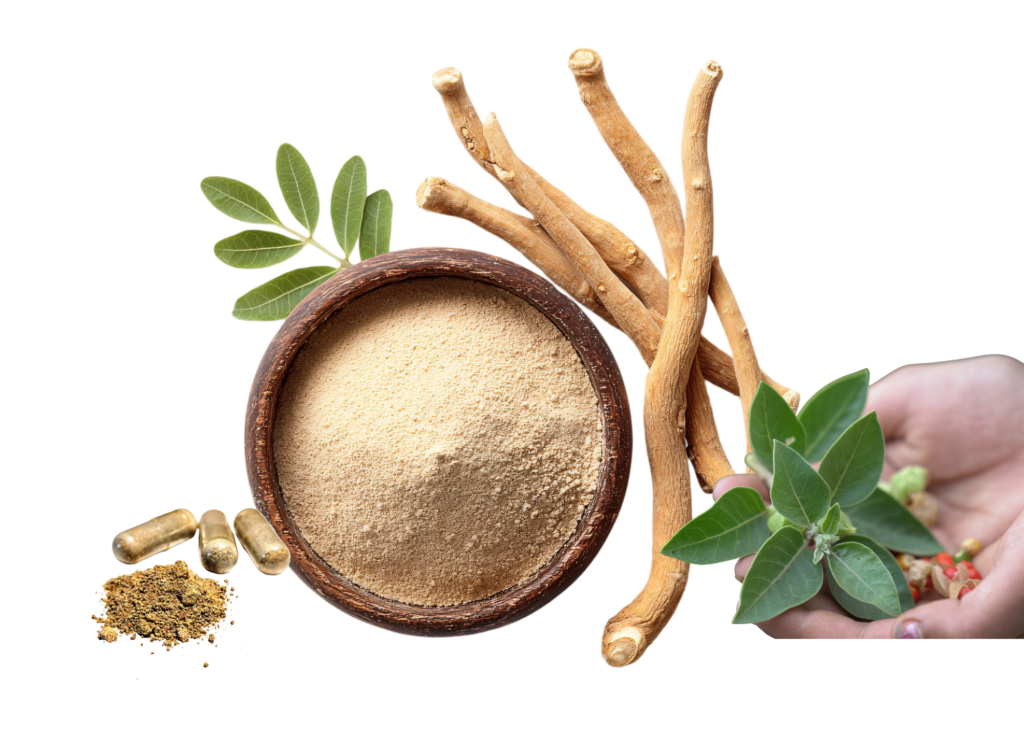
Ashwagandha (Withania somnifera) is a medicinal herb traditionally used to help the body adapt to stress. It’s classified as an adaptogen, meaning it supports the nervous system and helps regulate the body’s stress response.
The root is the most commonly used part and is available in capsules, powders, and teas. Unlike stimulants, ashwagandha works gently, supporting balance rather than forcing energy or focus.
Benefits of Ashwagandha
Helps Manage Stress and Anxiety
One of the main reasons people turn to ashwagandha is stress support—and this is where I personally noticed the biggest difference. About five years ago, I was experiencing high levels of stress and was looking for something natural to support my wellbeing. Ashwagandha was recommended to me by my doctor, and over time, it helped me feel calmer, more relaxed, and less overwhelmed by daily pressures.
Rather than feeling emotionally flat, my mood felt more stable and balanced, making it easier to handle stressful situations without feeling constantly on edge.
Supports Better Sleep
Stress and sleep are closely connected, and as my stress levels became more manageable, my sleep naturally improved. I found it easier to fall asleep and stay asleep, waking up feeling more rested. It didn’t make me feel drowsy—just relaxed enough to support a good night’s sleep.
Improves Energy and Endurance
Ashwagandha supports energy in a subtle way. Instead of quick bursts, it helps maintain steady energy levels by supporting the adrenal system. This can be especially helpful during busy or mentally demanding periods.
Supports Brain Function and Focus
Ashwagandha may help support concentration, memory, and mental clarity. Its antioxidant properties also help protect the brain from inflammation and everyday stress.
Helps Balance Hormones
This adaptogenic herb is often used to support hormonal balance in both women and men. It may help support thyroid health, reproductive wellness, and overall hormonal stability.
Supports Immune Health
Thanks to its anti-inflammatory properties, ashwagandha may help support immune health and the body’s natural defenses, especially during times of stress.
How to Take Ashwagandha
Powder
Ashwagandha powder can be mixed into warm milk, smoothies, or herbal tea. Traditionally, it’s taken in the evening to support relaxation.
Capsules or Tablets
Ashwagandha capsules are a convenient option and make it easy to maintain a consistent daily dose, especially for busy lifestyles. I appreciate how simple they are to take without the need for preparation, while still supporting stress balance and overall well-being. It’s best to choose high-quality capsules that are made from organic roots, clearly dosed, and free from unnecessary fillers or additives. Investing in a trusted, high-quality ashwagandha supplement ensures you get the most benefit from this powerful adaptogenic herb.
Tea
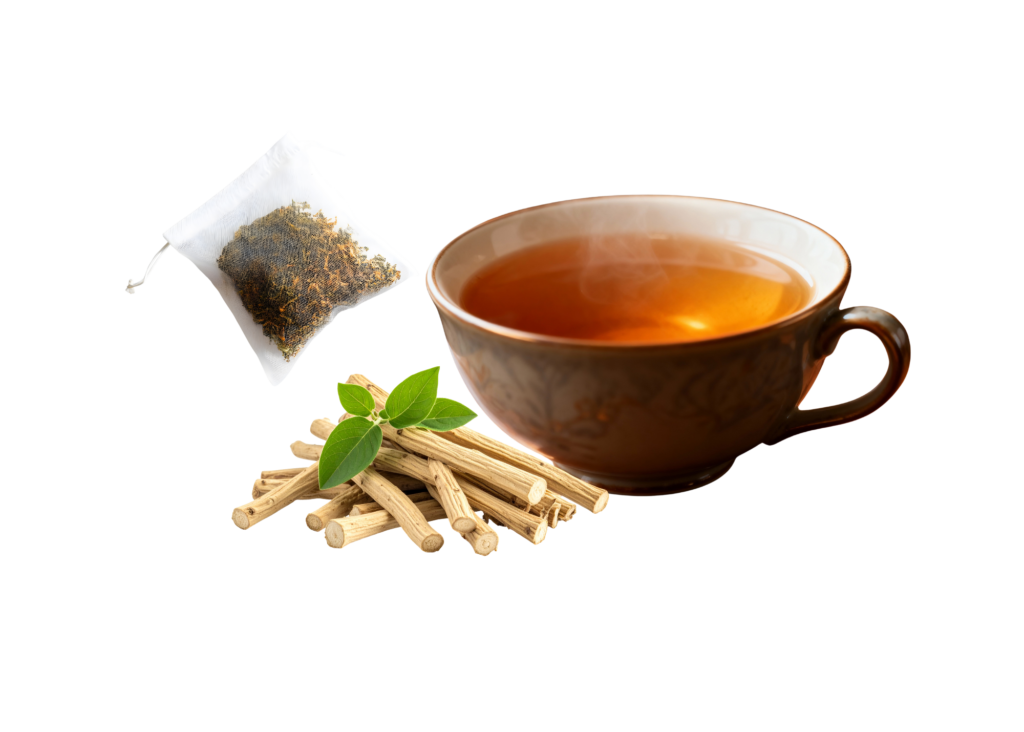
Ashwagandha tea is made by gently simmering the root powder in water. Adding ginger, cinnamon, or honey can improve the taste or you can have it as it is.
I personally take ashwagandha as a tea, and it has become one of my favourite daily wellness rituals. Sipping it warm in the evening helps me unwind, manage stress, and feel more balanced overall. There are many different brands that offer high-quality ashwagandha tea, making it easy to find one that suits your taste and lifestyle.
Recommended Dosage
General Guidelines
- 300–600 mg per day of standardized extract
- ½ to 1 teaspoon daily if using powder
It’s best to start with a lower dose and increase gradually as needed. Consistency matters more than taking a higher dose.
Best Time to Take Ashwagandha
- Morning: To support stress resilience and balanced energy
- Evening: To promote relaxation and better sleep
Some people choose to split their dose between morning and evening depending on their needs.
Possible Side Effects and Safety
Ashwagandha is generally well tolerated. Some people may experience mild stomach discomfort, drowsiness, or headaches, especially when starting.
Who Should Avoid Ashwagandha?
- Pregnant or breastfeeding women
- People with autoimmune conditions
- Those taking thyroid or sedative medications
Always consult a healthcare professional before starting a new supplement.
Simple Ways to Add Ashwagandha to Your Routine
- Stir into warm almond or oat milk before bed
- Add to smoothies with banana and cinnamon
- Take capsules with meals
- Pair with a calming evening routine or meditation
Like most herbal supplements, ashwagandha works best when taken consistently over time.
Final Thoughts
Ashwagandha isn’t a quick fix, but it can be a valuable long-term support for stress, sleep, and emotional balance. From my own experience, it helped me navigate periods of high stress more calmly and supported better sleep without feeling heavy or sedating.
When chosen carefully and used mindfully, ashwagandha can become a gentle yet powerful part of a balanced wellness routine.