
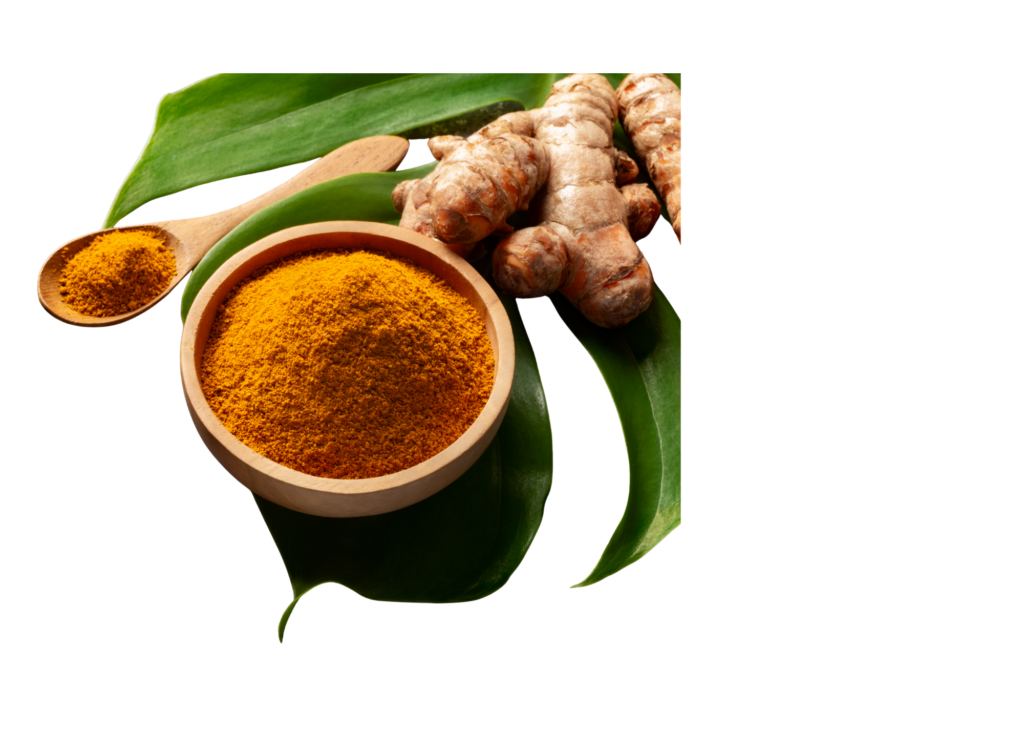
Turmeric: A Powerful Herb With Timeless Health Benefits
Turmeric is one of the most useful and revered herbs in the world, valued for centuries not only as a kitchen spice but also as a natural remedy for overall well-being. Often called the “golden spice,” turmeric has deep roots in traditional medicine systems such as Ayurveda and Traditional Chinese Medicine, where it has long been used to support health, balance, and longevity.
What makes turmeric truly special is its wide range of health benefits, which modern science is now beginning to understand and validate.
The Health Benefits of Turmeric
Turmeric is best known for its ability to support the body in natural and gentle ways. When used consistently, it may offer several health-supporting benefits, including:
- Supports joint and muscle health by helping the body manage inflammation
- Promotes digestive health and supports gut function
- Boosts immune support, helping the body defend itself naturally
- Supports heart health by promoting healthy circulation
- Encourages brain health and cognitive function
- Supports healthy skin from the inside out due to its antioxidant properties
These benefits make turmeric more than just a spice—it becomes a daily wellness ally when incorporated thoughtfully into everyday life.
Curcumin is widely studied for its anti-inflammatory and antioxidant effects. Inflammation is a natural response in the body, but chronic inflammation may contribute to various health concerns over time. Curcumin helps support the body’s ability to manage inflammation in a balanced way, which is why turmeric is often associated with joint comfort, mobility, and overall wellness.
In addition to helping with inflammation, curcumin:
- Helps neutralize free radicals due to its antioxidant properties
- Supports the body’s natural healing processes
- Plays a role in maintaining long-term cellular health
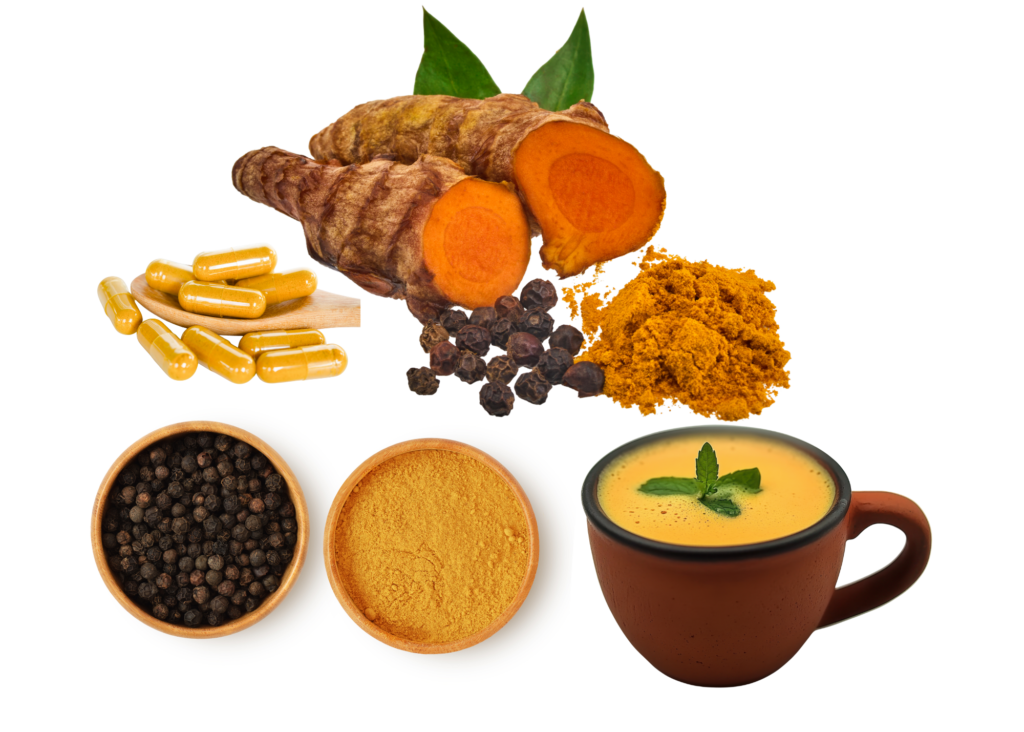
Because curcumin is not easily absorbed on its own, turmeric is traditionally consumed with black pepper, which contains piperine—a compound known to significantly enhance curcumin absorption.
My Personal Experience: 4 Years of Daily Turmeric Use
I’ve been using turmeric consistently for four years, and it has helped me in many ways—particularly with pain management. Over time, I noticed that regular turmeric use supported my body’s ability to manage everyday aches and discomfort, especially when combined with a mindful lifestyle.
What stood out to me most was not a dramatic overnight change, but a steady improvement. My body felt more supported, more balanced, and better equipped to handle physical stress. This long-term consistency is what turned turmeric from a remedy into a daily ritual for me.
Curcumin: The Compound Behind Turmeric’s Benefits
Much of turmeric’s power comes from its active compound, curcumin. Curcumin is responsible for turmeric’s deep golden color and is widely studied for its anti-inflammatory and antioxidant properties.
Inflammation is a natural response in the body, but when it becomes chronic, it may contribute to discomfort and imbalance. Curcumin helps support the body’s natural inflammatory response, which is one of the key reasons turmeric is often associated with pain relief and joint support.
Curcumin also:
- Helps combat oxidative stress
- Supports cellular health
- Plays a role in long-term wellness and recovery
The Best Form of Turmeric I Use (And Why)
After years of experimenting, I’ve found that the best form of turmeric for me is fresh turmeric root. I most commonly use it by making fresh turmeric tea, which has become a grounding and nourishing daily habit.
I also pair turmeric with black pepper or bio-perine (piperine), either naturally or through supplementation. This is important because curcumin on its own has low bioavailability. Piperine significantly enhances curcumin absorption, making turmeric far more potent and effective.
When used together, turmeric and black pepper:
- Improve curcumin absorption
- Increase overall effectiveness
- Maximize anti-inflammatory benefits
This combination has made a noticeable difference in how my body responds to turmeric over time.
Here are 5 simple, everyday ways to take curcumin and make it part of your daily routine:
- Add it to your dishes: Sprinkle turmeric (rich in curcumin) into everyday meals like scrambled eggs, roasted vegetables, lentil soup, rice, or sautéed veggies. For better absorption, cook it with a little olive oil and a pinch of black pepper.
- Make it as a tea (easy recipe): Boil 1 cup of water, add ½ teaspoon turmeric powder (or fresh grated turmeric), a pinch of black pepper, and let it simmer for 5–10 minutes. Strain, then add lemon and honey if you like. Drink it in the morning or evening as a calming ritual.
- Include it in your pressed juice: Add fresh turmeric (or a small pinch of powder) to pressed juice with lemon, celery, cucumber, ginger, apple, and other veggies. The lemon boosts flavor and freshness, while the ginger pairs well for digestion.
- Golden milk routine: Mix turmeric with warm plant-based milk (almond, oat, or coconut), cinnamon, black pepper, and a little honey. This works well as a nightly wind-down drink.
- Supplement option: Take a curcumin capsule with a meal that includes healthy fats (like avocado or olive oil) to make it easy and consistent on busy days.
For best absorption, curcumin is recommended to be taken with healthy fats, as it is fat-soluble. Health sources commonly suggest pairing it with fats such as olive oil, avocado, nuts and seeds, coconut oil, or full-fat yogurt to help maximize its bioavailability and effectiveness.